


by Craig Laycock
Original article:
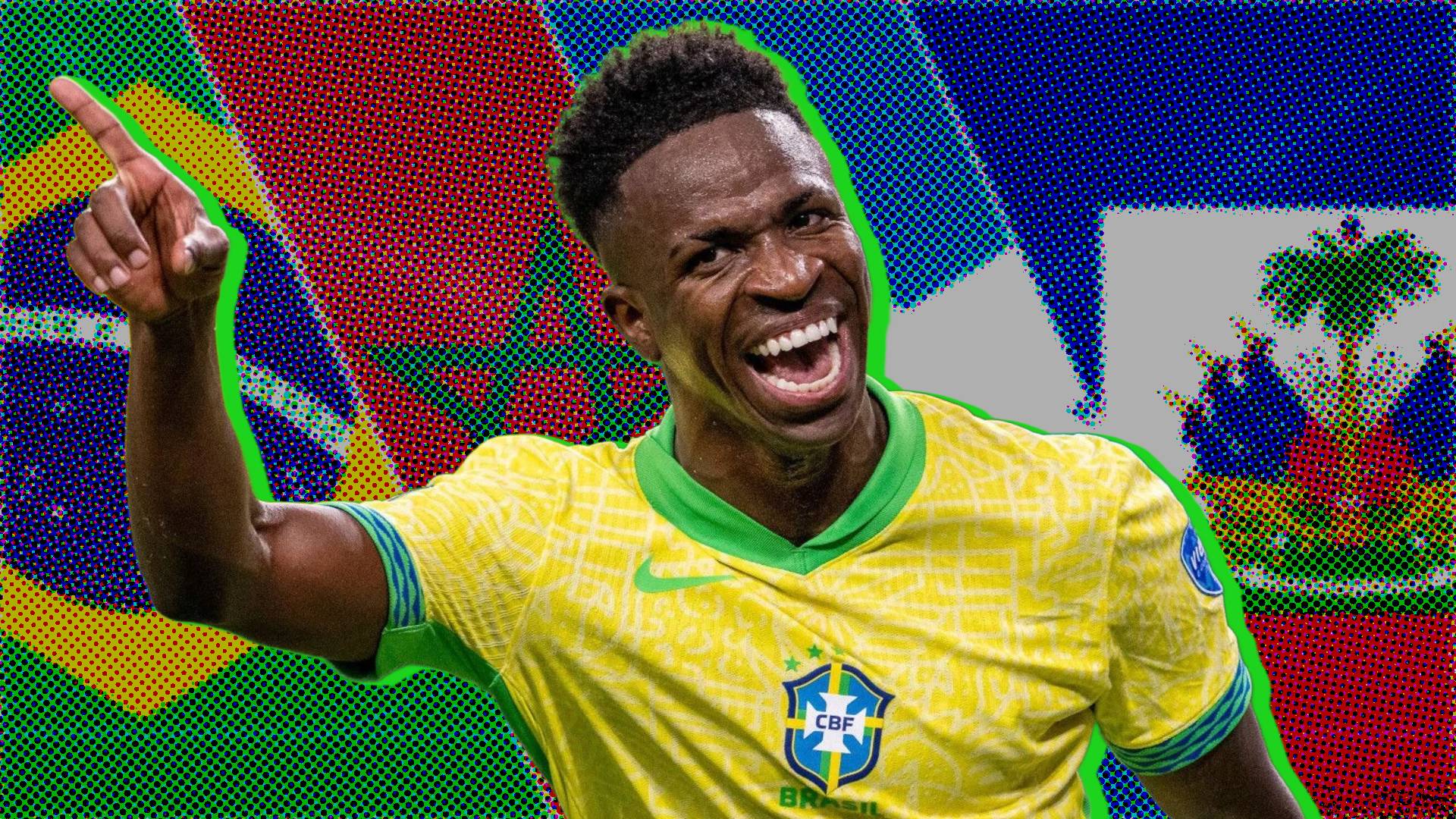
Brazil, Morocco, Scotland, Haiti
World Rankings (May 2026)
Brazil 6th
Morocco 8th
Scotland 43rd
Haiti 83rd
GROUP STRENGTH
Group C is ranked 7th of the 12 groups
This group probably has the most disparity between the “top two” and the rest of the group, with Brazil and Morocco featuring as relative heavyweights alongside Scotland and Haiti - but we love an underdog tale here at The Tournament Scout
***
Brazil
What hasn’t been written about Brazil over the years? One of the most legendary names in international tournament football, partly because of their iconic wins (1958, 1962, 1970, 1994, 2002) but also due to the fact they have never missed a World Cup. Not once.
In 114 World Cup games, Brazil have won 76 of them and lost only 19. But that’s the Brazil of old. What’s going on with the Brazil side of 2026? And do they pose a genuine tournament threat?
Qualification from the group is almost a certainty, and they’ll likely navigate the round of 32 and 16. Paired with Carlo Ancelotti’s tactical prowess and experience, you’d expect that they’d stand a good chance of going deep into the tournament. But this side is not the Brazil of old. They are merely one force among many more powerful forces in world football now, and they face stern competition from both elite European teams and Argentina.
Disappointing, too, was Brazil’s qualification campaign. They lost six of their games and ended up fifth in the CONMEBOL table. Off the back of that, Opta has them down as 7th favourites, but as we all know, computer predictions often turn out to be a pile of cack once the tournament starts.
Brazil could be better adapted to the conditions at the World Cup, with heat a significant factor.
Play style:
Joga Bonito is dead, all hail Joga Praticamente. Gone is the insistence on a beautiful, artistic sense of football for football’s sake, and in comes the ruthless structure required to compete at tournaments in 2026.
The side is built around pace, so expect transition speed to be the defining feature of Brazil’s play. You’ll see defensive rigidity paired with a rapid and fluid front four. Brazil will surge forward without an obvious target man and look to overwhelm and overload the opposition defence. Maybe it’s Joga-kind-of-Bonito.
Expected formation:
4-3-3, or 4-2-3-1, turning into a 4-2-4 in attack. It’s solid, practical, and then shockingly aggressive to maximise attacking chances. As with any Brazil side, you can expect positional fluidity and freedom. Expect to see the front four drifting around, probing and picking up pockets of space. Expect explosive darting runs in behind, in both central and wide areas. And expect the likes of Casemiro to provide physical steel in the centre of the park.
But they can find themselves disconnected between the lines. In the recent 2-1 defeat to France, there were gaps in the tactic, with forwards flooding, well, forward, and the midfield failing to link up with them. They’ll need stronger cohesion at the World Cup if they expect to win it.
Chances:
Who would count out Brazil? It’s Brazil, for goodness sake!
I will. I’m putting my neck on the line here and saying that they will not progress beyond the QF stage at this tournament. They’re not as well-rounded as Argentina and will find the European sides a bridge too far. Feel free to hit me over the head with this prediction at the end of the tournament.
***
Morocco
The number two prospects in Group C are Morocco, who swept the board during qualifying winning all 8 of their matches. Coupled with clean sheets in almost all of their games, they come in to the tournament in frighteningly good shape, albeit joining a challenging group to win. Expect them to push Brazil.
Play style:
Already in 2026, we’re seeing a pattern emerge of teams who are likely to approach the tournament in a similar way tactically.
While Brazil use a patient base and possession based football to spring into life, Morocco follow the template of counter-attacking football we’ve seen elsewhere, hoping to sit in a compact and challenging shape off the ball, and responding dynamically when they do have it, typically in wide areas.
Expected formation:
4-1-4-1 or 4-3-3. Morocco will keep you guessing as to the focal point of their attacks and utilise a few key players, notably Brahim Diaz who can play as a false 9, number 10 or creative inverted winger. He’s absolutely lethal on the transition and defences will not want to see the sight of the Real Madrid man powering towards the box. At AFCON he scored 5 in 7 games. Group opponents Brazil will of course be familiar with him through manager Carlo Ancelotti’s time at Real Madrid.
Chances:
You would expect them to clear the group. I’ve watched a lot of Scotland and can see them being vulnerable to the attacking prowess of both Morocco and Brazil. Likewise Haiti. So for me, it’s second place for Morocco with an outside chance of topping the group if Brazil have a ‘mare.
***
Scotland
Having followed Scotland closely through qualifying I can guarantee one thing: they’re going to make the most of being here after a 28-year absence, even if they don’t stand a chance of getting out of this group.
Scotland’s qualifying journey was a thing of beauty: grit by the bucketload and a testament to never giving up. They won 4, drew 1 and narrowly lost another to Greece, but the absolute peak of their campaign had to be the sight of a flying Scott McTominay blasting a bicycle kick in. Denmark fought back to make it 2-2, and then late drama got it over the line with goals from Kieran Tierney and Kenny McLean.
Play style:
Scotland are underdog pragmatism personified, and who can blame them? Not blessed with a depth of world class individual talent, they instead draw on their spirit and determination with a precise, triggered press. Then, like Morocco, they look to bounce forward on the counter and make direct passes in behind, through and over the top of the defence.
Opponents who underestimate them will find themselves leaving gaps that Scotland have perfectly calibrated themselves to exploit under Steve Clarke, but I still think the lack of quality depth will punish them at the tournament, with the experience and flair of the likes of Brazil more capable of outscoring and damaging Scotland than their qualification opponents.
Expected formation:
It’s all about space denial. Scotland typically play a defensive men-behind-the-ball approach, with a 5-4-1 or 4-1-4-1 the go-tos for Steve Clarke. They don’t have a natural front man who will bag for them, so rely on midfield runs on the transition from the likes of hero McTominay and John McGinn. They’ll also be hunting second balls like Glaswegian pigeons on a loose bag of chips.
Expect set pieces to be a focal point, too, and Ben Doak could show a different side to Scotland’s game as more of a dribbling outlet.
Chances:
Unlikely to progress automatically primarily because of the strength of Brazil and Morocco, who are ranked 6th and 8th in the world respectively. May be able to squeak into third place but I have some doubts.
***
Haiti
The minnows of the group, which is an astonishing thing to say when you have the likes of Scotland qualifying for the first time in 28 years. But Haiti’s exile on the World Cup stage is even longer-lived, dating back to 1974.
Astonishingly, their manager Sébastien Migné led their qualifying campaign entirely remotely due to safety concerns.
I'll preface this with a slightly emotional note before I delve into the cold reality of the football, saying I hope Haiti have a great World Cup. Reading about the challenges with gun violence in Port-au-Prince keeping the side apart, unable to meet, puts the power of a tournament into perspective.
Play style:
In what was presumably a very long sequence of Zoom calls, Migné has built a side capable of balancing defensive determination with Caribbean pizzazz. They won’t pull up any trees with their quality, but they may raise a couple of eyebrows. They will look to lean on their aerial threat through the likes of Frantzdy Pierrot to do the damage on long balls and set pieces.
What shouldn’t be underestimated is their blistering pace on the transition. I think they could be an extremely entertaining side to watch on the counter, even if their World Cup dream ends up fizzling out pretty quickly.
Expected formation:
Primarily a 4-2-3-1, dropping into a 4-4-2 when they need to stay compact in a medium block. They use a double pivot of two DMs to further shield the back four, and look to break quickly when they get the ball. They have experimented with a 4-2-3-1 but I think it’s unlikely we’ll see it at the tournament, except perhaps vs Scotland where they could be encouraged to open up their attack.
Chances:
Not much chance of making it out a difficult group. Their best chance is vs Scotland where they could cause a minor upset. Could at a stretch squeeze into the 32 as one of the best third placed teams.
The Tournament Scout’s Prediction
Brazil to win the group
Morocco’s form and top talent to drive them to 2nd
Haiti possibly beating Scotland to 3rd
Scotland plum bottom
20 min read

Group C Preview: Brazil beware Morocco danger
Will Brazil have it all their own way in what seems a straightforward group?
20 min read
Brazil, Morocco, Scotland, Haiti
World Rankings (May 2026)
Brazil 6th
Morocco 8th
Scotland 43rd
Haiti 83rd
GROUP STRENGTH
Group C is ranked 7th of the 12 groups
This group probably has the most disparity between the “top two” and the rest of the group, with Brazil and Morocco featuring as relative heavyweights alongside Scotland and Haiti - but we love an underdog tale here at The Tournament Scout
***
Brazil
What hasn’t been written about Brazil over the years? One of the most legendary names in international tournament football, partly because of their iconic wins (1958, 1962, 1970, 1994, 2002) but also due to the fact they have never missed a World Cup. Not once.
In 114 World Cup games, Brazil have won 76 of them and lost only 19. But that’s the Brazil of old. What’s going on with the Brazil side of 2026? And do they pose a genuine tournament threat?
Qualification from the group is almost a certainty, and they’ll likely navigate the round of 32 and 16. Paired with Carlo Ancelotti’s tactical prowess and experience, you’d expect that they’d stand a good chance of going deep into the tournament. But this side is not the Brazil of old. They are merely one force among many more powerful forces in world football now, and they face stern competition from both elite European teams and Argentina.
Disappointing, too, was Brazil’s qualification campaign. They lost six of their games and ended up fifth in the CONMEBOL table. Off the back of that, Opta has them down as 7th favourites, but as we all know, computer predictions often turn out to be a pile of cack once the tournament starts.
Brazil could be better adapted to the conditions at the World Cup, with heat a significant factor.
Play style:
Joga Bonito is dead, all hail Joga Praticamente. Gone is the insistence on a beautiful, artistic sense of football for football’s sake, and in comes the ruthless structure required to compete at tournaments in 2026.
The side is built around pace, so expect transition speed to be the defining feature of Brazil’s play. You’ll see defensive rigidity paired with a rapid and fluid front four. Brazil will surge forward without an obvious target man and look to overwhelm and overload the opposition defence. Maybe it’s Joga-kind-of-Bonito.
Expected formation:
4-3-3, or 4-2-3-1, turning into a 4-2-4 in attack. It’s solid, practical, and then shockingly aggressive to maximise attacking chances. As with any Brazil side, you can expect positional fluidity and freedom. Expect to see the front four drifting around, probing and picking up pockets of space. Expect explosive darting runs in behind, in both central and wide areas. And expect the likes of Casemiro to provide physical steel in the centre of the park.
But they can find themselves disconnected between the lines. In the recent 2-1 defeat to France, there were gaps in the tactic, with forwards flooding, well, forward, and the midfield failing to link up with them. They’ll need stronger cohesion at the World Cup if they expect to win it.
Chances:
Who would count out Brazil? It’s Brazil, for goodness sake!
I will. I’m putting my neck on the line here and saying that they will not progress beyond the QF stage at this tournament. They’re not as well-rounded as Argentina and will find the European sides a bridge too far. Feel free to hit me over the head with this prediction at the end of the tournament.
***
Morocco
The number two prospects in Group C are Morocco, who swept the board during qualifying winning all 8 of their matches. Coupled with clean sheets in almost all of their games, they come in to the tournament in frighteningly good shape, albeit joining a challenging group to win. Expect them to push Brazil.
Play style:
Already in 2026, we’re seeing a pattern emerge of teams who are likely to approach the tournament in a similar way tactically.
While Brazil use a patient base and possession based football to spring into life, Morocco follow the template of counter-attacking football we’ve seen elsewhere, hoping to sit in a compact and challenging shape off the ball, and responding dynamically when they do have it, typically in wide areas.
Expected formation:
4-1-4-1 or 4-3-3. Morocco will keep you guessing as to the focal point of their attacks and utilise a few key players, notably Brahim Diaz who can play as a false 9, number 10 or creative inverted winger. He’s absolutely lethal on the transition and defences will not want to see the sight of the Real Madrid man powering towards the box. At AFCON he scored 5 in 7 games. Group opponents Brazil will of course be familiar with him through manager Carlo Ancelotti’s time at Real Madrid.
Chances:
You would expect them to clear the group. I’ve watched a lot of Scotland and can see them being vulnerable to the attacking prowess of both Morocco and Brazil. Likewise Haiti. So for me, it’s second place for Morocco with an outside chance of topping the group if Brazil have a ‘mare.
***
Scotland
Having followed Scotland closely through qualifying I can guarantee one thing: they’re going to make the most of being here after a 28-year absence, even if they don’t stand a chance of getting out of this group.
Scotland’s qualifying journey was a thing of beauty: grit by the bucketload and a testament to never giving up. They won 4, drew 1 and narrowly lost another to Greece, but the absolute peak of their campaign had to be the sight of a flying Scott McTominay blasting a bicycle kick in. Denmark fought back to make it 2-2, and then late drama got it over the line with goals from Kieran Tierney and Kenny McLean.
Play style:
Scotland are underdog pragmatism personified, and who can blame them? Not blessed with a depth of world class individual talent, they instead draw on their spirit and determination with a precise, triggered press. Then, like Morocco, they look to bounce forward on the counter and make direct passes in behind, through and over the top of the defence.
Opponents who underestimate them will find themselves leaving gaps that Scotland have perfectly calibrated themselves to exploit under Steve Clarke, but I still think the lack of quality depth will punish them at the tournament, with the experience and flair of the likes of Brazil more capable of outscoring and damaging Scotland than their qualification opponents.
Expected formation:
It’s all about space denial. Scotland typically play a defensive men-behind-the-ball approach, with a 5-4-1 or 4-1-4-1 the go-tos for Steve Clarke. They don’t have a natural front man who will bag for them, so rely on midfield runs on the transition from the likes of hero McTominay and John McGinn. They’ll also be hunting second balls like Glaswegian pigeons on a loose bag of chips.
Expect set pieces to be a focal point, too, and Ben Doak could show a different side to Scotland’s game as more of a dribbling outlet.
Chances:
Unlikely to progress automatically primarily because of the strength of Brazil and Morocco, who are ranked 6th and 8th in the world respectively. May be able to squeak into third place but I have some doubts.
***
Haiti
The minnows of the group, which is an astonishing thing to say when you have the likes of Scotland qualifying for the first time in 28 years. But Haiti’s exile on the World Cup stage is even longer-lived, dating back to 1974.
Astonishingly, their manager Sébastien Migné led their qualifying campaign entirely remotely due to safety concerns.
I'll preface this with a slightly emotional note before I delve into the cold reality of the football, saying I hope Haiti have a great World Cup. Reading about the challenges with gun violence in Port-au-Prince keeping the side apart, unable to meet, puts the power of a tournament into perspective.
Play style:
In what was presumably a very long sequence of Zoom calls, Migné has built a side capable of balancing defensive determination with Caribbean pizzazz. They won’t pull up any trees with their quality, but they may raise a couple of eyebrows. They will look to lean on their aerial threat through the likes of Frantzdy Pierrot to do the damage on long balls and set pieces.
What shouldn’t be underestimated is their blistering pace on the transition. I think they could be an extremely entertaining side to watch on the counter, even if their World Cup dream ends up fizzling out pretty quickly.
Expected formation:
Primarily a 4-2-3-1, dropping into a 4-4-2 when they need to stay compact in a medium block. They use a double pivot of two DMs to further shield the back four, and look to break quickly when they get the ball. They have experimented with a 4-2-3-1 but I think it’s unlikely we’ll see it at the tournament, except perhaps vs Scotland where they could be encouraged to open up their attack.
Chances:
Not much chance of making it out a difficult group. Their best chance is vs Scotland where they could cause a minor upset. Could at a stretch squeeze into the 32 as one of the best third placed teams.
The Tournament Scout’s Prediction
Brazil to win the group
Morocco’s form and top talent to drive them to 2nd
Haiti possibly beating Scotland to 3rd
Scotland plum bottom
Group C Preview: Brazil beware Morocco danger
Will Brazil have it all their own way in what seems a straightforward group?
Original article:
Brazil, Morocco, Scotland, Haiti
World Rankings (May 2026)
Brazil 6th
Morocco 8th
Scotland 43rd
Haiti 83rd
GROUP STRENGTH
Group C is ranked 7th of the 12 groups
This group probably has the most disparity between the “top two” and the rest of the group, with Brazil and Morocco featuring as relative heavyweights alongside Scotland and Haiti - but we love an underdog tale here at The Tournament Scout
***
Brazil
What hasn’t been written about Brazil over the years? One of the most legendary names in international tournament football, partly because of their iconic wins (1958, 1962, 1970, 1994, 2002) but also due to the fact they have never missed a World Cup. Not once.
In 114 World Cup games, Brazil have won 76 of them and lost only 19. But that’s the Brazil of old. What’s going on with the Brazil side of 2026? And do they pose a genuine tournament threat?
Qualification from the group is almost a certainty, and they’ll likely navigate the round of 32 and 16. Paired with Carlo Ancelotti’s tactical prowess and experience, you’d expect that they’d stand a good chance of going deep into the tournament. But this side is not the Brazil of old. They are merely one force among many more powerful forces in world football now, and they face stern competition from both elite European teams and Argentina.
Disappointing, too, was Brazil’s qualification campaign. They lost six of their games and ended up fifth in the CONMEBOL table. Off the back of that, Opta has them down as 7th favourites, but as we all know, computer predictions often turn out to be a pile of cack once the tournament starts.
Brazil could be better adapted to the conditions at the World Cup, with heat a significant factor.
Play style:
Joga Bonito is dead, all hail Joga Praticamente. Gone is the insistence on a beautiful, artistic sense of football for football’s sake, and in comes the ruthless structure required to compete at tournaments in 2026.
The side is built around pace, so expect transition speed to be the defining feature of Brazil’s play. You’ll see defensive rigidity paired with a rapid and fluid front four. Brazil will surge forward without an obvious target man and look to overwhelm and overload the opposition defence. Maybe it’s Joga-kind-of-Bonito.
Expected formation:
4-3-3, or 4-2-3-1, turning into a 4-2-4 in attack. It’s solid, practical, and then shockingly aggressive to maximise attacking chances. As with any Brazil side, you can expect positional fluidity and freedom. Expect to see the front four drifting around, probing and picking up pockets of space. Expect explosive darting runs in behind, in both central and wide areas. And expect the likes of Casemiro to provide physical steel in the centre of the park.
But they can find themselves disconnected between the lines. In the recent 2-1 defeat to France, there were gaps in the tactic, with forwards flooding, well, forward, and the midfield failing to link up with them. They’ll need stronger cohesion at the World Cup if they expect to win it.
Chances:
Who would count out Brazil? It’s Brazil, for goodness sake!
I will. I’m putting my neck on the line here and saying that they will not progress beyond the QF stage at this tournament. They’re not as well-rounded as Argentina and will find the European sides a bridge too far. Feel free to hit me over the head with this prediction at the end of the tournament.
***
Morocco
The number two prospects in Group C are Morocco, who swept the board during qualifying winning all 8 of their matches. Coupled with clean sheets in almost all of their games, they come in to the tournament in frighteningly good shape, albeit joining a challenging group to win. Expect them to push Brazil.
Play style:
Already in 2026, we’re seeing a pattern emerge of teams who are likely to approach the tournament in a similar way tactically.
While Brazil use a patient base and possession based football to spring into life, Morocco follow the template of counter-attacking football we’ve seen elsewhere, hoping to sit in a compact and challenging shape off the ball, and responding dynamically when they do have it, typically in wide areas.
Expected formation:
4-1-4-1 or 4-3-3. Morocco will keep you guessing as to the focal point of their attacks and utilise a few key players, notably Brahim Diaz who can play as a false 9, number 10 or creative inverted winger. He’s absolutely lethal on the transition and defences will not want to see the sight of the Real Madrid man powering towards the box. At AFCON he scored 5 in 7 games. Group opponents Brazil will of course be familiar with him through manager Carlo Ancelotti’s time at Real Madrid.
Chances:
You would expect them to clear the group. I’ve watched a lot of Scotland and can see them being vulnerable to the attacking prowess of both Morocco and Brazil. Likewise Haiti. So for me, it’s second place for Morocco with an outside chance of topping the group if Brazil have a ‘mare.
***
Scotland
Having followed Scotland closely through qualifying I can guarantee one thing: they’re going to make the most of being here after a 28-year absence, even if they don’t stand a chance of getting out of this group.
Scotland’s qualifying journey was a thing of beauty: grit by the bucketload and a testament to never giving up. They won 4, drew 1 and narrowly lost another to Greece, but the absolute peak of their campaign had to be the sight of a flying Scott McTominay blasting a bicycle kick in. Denmark fought back to make it 2-2, and then late drama got it over the line with goals from Kieran Tierney and Kenny McLean.
Play style:
Scotland are underdog pragmatism personified, and who can blame them? Not blessed with a depth of world class individual talent, they instead draw on their spirit and determination with a precise, triggered press. Then, like Morocco, they look to bounce forward on the counter and make direct passes in behind, through and over the top of the defence.
Opponents who underestimate them will find themselves leaving gaps that Scotland have perfectly calibrated themselves to exploit under Steve Clarke, but I still think the lack of quality depth will punish them at the tournament, with the experience and flair of the likes of Brazil more capable of outscoring and damaging Scotland than their qualification opponents.
Expected formation:
It’s all about space denial. Scotland typically play a defensive men-behind-the-ball approach, with a 5-4-1 or 4-1-4-1 the go-tos for Steve Clarke. They don’t have a natural front man who will bag for them, so rely on midfield runs on the transition from the likes of hero McTominay and John McGinn. They’ll also be hunting second balls like Glaswegian pigeons on a loose bag of chips.
Expect set pieces to be a focal point, too, and Ben Doak could show a different side to Scotland’s game as more of a dribbling outlet.
Chances:
Unlikely to progress automatically primarily because of the strength of Brazil and Morocco, who are ranked 6th and 8th in the world respectively. May be able to squeak into third place but I have some doubts.
***
Haiti
The minnows of the group, which is an astonishing thing to say when you have the likes of Scotland qualifying for the first time in 28 years. But Haiti’s exile on the World Cup stage is even longer-lived, dating back to 1974.
Astonishingly, their manager Sébastien Migné led their qualifying campaign entirely remotely due to safety concerns.
I'll preface this with a slightly emotional note before I delve into the cold reality of the football, saying I hope Haiti have a great World Cup. Reading about the challenges with gun violence in Port-au-Prince keeping the side apart, unable to meet, puts the power of a tournament into perspective.
Play style:
In what was presumably a very long sequence of Zoom calls, Migné has built a side capable of balancing defensive determination with Caribbean pizzazz. They won’t pull up any trees with their quality, but they may raise a couple of eyebrows. They will look to lean on their aerial threat through the likes of Frantzdy Pierrot to do the damage on long balls and set pieces.
What shouldn’t be underestimated is their blistering pace on the transition. I think they could be an extremely entertaining side to watch on the counter, even if their World Cup dream ends up fizzling out pretty quickly.
Expected formation:
Primarily a 4-2-3-1, dropping into a 4-4-2 when they need to stay compact in a medium block. They use a double pivot of two DMs to further shield the back four, and look to break quickly when they get the ball. They have experimented with a 4-2-3-1 but I think it’s unlikely we’ll see it at the tournament, except perhaps vs Scotland where they could be encouraged to open up their attack.
Chances:
Not much chance of making it out a difficult group. Their best chance is vs Scotland where they could cause a minor upset. Could at a stretch squeeze into the 32 as one of the best third placed teams.
The Tournament Scout’s Prediction
Brazil to win the group
Morocco’s form and top talent to drive them to 2nd
Haiti possibly beating Scotland to 3rd
Scotland plum bottom
20 min read
Group C Preview: Brazil beware Morocco danger
Will Brazil have it all their own way in what seems a straightforward group?
Brazil, Morocco, Scotland, Haiti
World Rankings (May 2026)
Brazil 6th
Morocco 8th
Scotland 43rd
Haiti 83rd
GROUP STRENGTH
Group C is ranked 7th of the 12 groups
This group probably has the most disparity between the “top two” and the rest of the group, with Brazil and Morocco featuring as relative heavyweights alongside Scotland and Haiti - but we love an underdog tale here at The Tournament Scout
***
Brazil
What hasn’t been written about Brazil over the years? One of the most legendary names in international tournament football, partly because of their iconic wins (1958, 1962, 1970, 1994, 2002) but also due to the fact they have never missed a World Cup. Not once.
In 114 World Cup games, Brazil have won 76 of them and lost only 19. But that’s the Brazil of old. What’s going on with the Brazil side of 2026? And do they pose a genuine tournament threat?
Qualification from the group is almost a certainty, and they’ll likely navigate the round of 32 and 16. Paired with Carlo Ancelotti’s tactical prowess and experience, you’d expect that they’d stand a good chance of going deep into the tournament. But this side is not the Brazil of old. They are merely one force among many more powerful forces in world football now, and they face stern competition from both elite European teams and Argentina.
Disappointing, too, was Brazil’s qualification campaign. They lost six of their games and ended up fifth in the CONMEBOL table. Off the back of that, Opta has them down as 7th favourites, but as we all know, computer predictions often turn out to be a pile of cack once the tournament starts.
Brazil could be better adapted to the conditions at the World Cup, with heat a significant factor.
Play style:
Joga Bonito is dead, all hail Joga Praticamente. Gone is the insistence on a beautiful, artistic sense of football for football’s sake, and in comes the ruthless structure required to compete at tournaments in 2026.
The side is built around pace, so expect transition speed to be the defining feature of Brazil’s play. You’ll see defensive rigidity paired with a rapid and fluid front four. Brazil will surge forward without an obvious target man and look to overwhelm and overload the opposition defence. Maybe it’s Joga-kind-of-Bonito.
Expected formation:
4-3-3, or 4-2-3-1, turning into a 4-2-4 in attack. It’s solid, practical, and then shockingly aggressive to maximise attacking chances. As with any Brazil side, you can expect positional fluidity and freedom. Expect to see the front four drifting around, probing and picking up pockets of space. Expect explosive darting runs in behind, in both central and wide areas. And expect the likes of Casemiro to provide physical steel in the centre of the park.
But they can find themselves disconnected between the lines. In the recent 2-1 defeat to France, there were gaps in the tactic, with forwards flooding, well, forward, and the midfield failing to link up with them. They’ll need stronger cohesion at the World Cup if they expect to win it.
Chances:
Who would count out Brazil? It’s Brazil, for goodness sake!
I will. I’m putting my neck on the line here and saying that they will not progress beyond the QF stage at this tournament. They’re not as well-rounded as Argentina and will find the European sides a bridge too far. Feel free to hit me over the head with this prediction at the end of the tournament.
***
Morocco
The number two prospects in Group C are Morocco, who swept the board during qualifying winning all 8 of their matches. Coupled with clean sheets in almost all of their games, they come in to the tournament in frighteningly good shape, albeit joining a challenging group to win. Expect them to push Brazil.
Play style:
Already in 2026, we’re seeing a pattern emerge of teams who are likely to approach the tournament in a similar way tactically.
While Brazil use a patient base and possession based football to spring into life, Morocco follow the template of counter-attacking football we’ve seen elsewhere, hoping to sit in a compact and challenging shape off the ball, and responding dynamically when they do have it, typically in wide areas.
Expected formation:
4-1-4-1 or 4-3-3. Morocco will keep you guessing as to the focal point of their attacks and utilise a few key players, notably Brahim Diaz who can play as a false 9, number 10 or creative inverted winger. He’s absolutely lethal on the transition and defences will not want to see the sight of the Real Madrid man powering towards the box. At AFCON he scored 5 in 7 games. Group opponents Brazil will of course be familiar with him through manager Carlo Ancelotti’s time at Real Madrid.
Chances:
You would expect them to clear the group. I’ve watched a lot of Scotland and can see them being vulnerable to the attacking prowess of both Morocco and Brazil. Likewise Haiti. So for me, it’s second place for Morocco with an outside chance of topping the group if Brazil have a ‘mare.
***
Scotland
Having followed Scotland closely through qualifying I can guarantee one thing: they’re going to make the most of being here after a 28-year absence, even if they don’t stand a chance of getting out of this group.
Scotland’s qualifying journey was a thing of beauty: grit by the bucketload and a testament to never giving up. They won 4, drew 1 and narrowly lost another to Greece, but the absolute peak of their campaign had to be the sight of a flying Scott McTominay blasting a bicycle kick in. Denmark fought back to make it 2-2, and then late drama got it over the line with goals from Kieran Tierney and Kenny McLean.
Play style:
Scotland are underdog pragmatism personified, and who can blame them? Not blessed with a depth of world class individual talent, they instead draw on their spirit and determination with a precise, triggered press. Then, like Morocco, they look to bounce forward on the counter and make direct passes in behind, through and over the top of the defence.
Opponents who underestimate them will find themselves leaving gaps that Scotland have perfectly calibrated themselves to exploit under Steve Clarke, but I still think the lack of quality depth will punish them at the tournament, with the experience and flair of the likes of Brazil more capable of outscoring and damaging Scotland than their qualification opponents.
Expected formation:
It’s all about space denial. Scotland typically play a defensive men-behind-the-ball approach, with a 5-4-1 or 4-1-4-1 the go-tos for Steve Clarke. They don’t have a natural front man who will bag for them, so rely on midfield runs on the transition from the likes of hero McTominay and John McGinn. They’ll also be hunting second balls like Glaswegian pigeons on a loose bag of chips.
Expect set pieces to be a focal point, too, and Ben Doak could show a different side to Scotland’s game as more of a dribbling outlet.
Chances:
Unlikely to progress automatically primarily because of the strength of Brazil and Morocco, who are ranked 6th and 8th in the world respectively. May be able to squeak into third place but I have some doubts.
***
Haiti
The minnows of the group, which is an astonishing thing to say when you have the likes of Scotland qualifying for the first time in 28 years. But Haiti’s exile on the World Cup stage is even longer-lived, dating back to 1974.
Astonishingly, their manager Sébastien Migné led their qualifying campaign entirely remotely due to safety concerns.
I'll preface this with a slightly emotional note before I delve into the cold reality of the football, saying I hope Haiti have a great World Cup. Reading about the challenges with gun violence in Port-au-Prince keeping the side apart, unable to meet, puts the power of a tournament into perspective.
Play style:
In what was presumably a very long sequence of Zoom calls, Migné has built a side capable of balancing defensive determination with Caribbean pizzazz. They won’t pull up any trees with their quality, but they may raise a couple of eyebrows. They will look to lean on their aerial threat through the likes of Frantzdy Pierrot to do the damage on long balls and set pieces.
What shouldn’t be underestimated is their blistering pace on the transition. I think they could be an extremely entertaining side to watch on the counter, even if their World Cup dream ends up fizzling out pretty quickly.
Expected formation:
Primarily a 4-2-3-1, dropping into a 4-4-2 when they need to stay compact in a medium block. They use a double pivot of two DMs to further shield the back four, and look to break quickly when they get the ball. They have experimented with a 4-2-3-1 but I think it’s unlikely we’ll see it at the tournament, except perhaps vs Scotland where they could be encouraged to open up their attack.
Chances:
Not much chance of making it out a difficult group. Their best chance is vs Scotland where they could cause a minor upset. Could at a stretch squeeze into the 32 as one of the best third placed teams.
The Tournament Scout’s Prediction
Brazil to win the group
Morocco’s form and top talent to drive them to 2nd
Haiti possibly beating Scotland to 3rd
Scotland plum bottom
20 min read